
Understanding Ultra-Processed Foods:
A Guide for Health Care Practitioners & Researchers
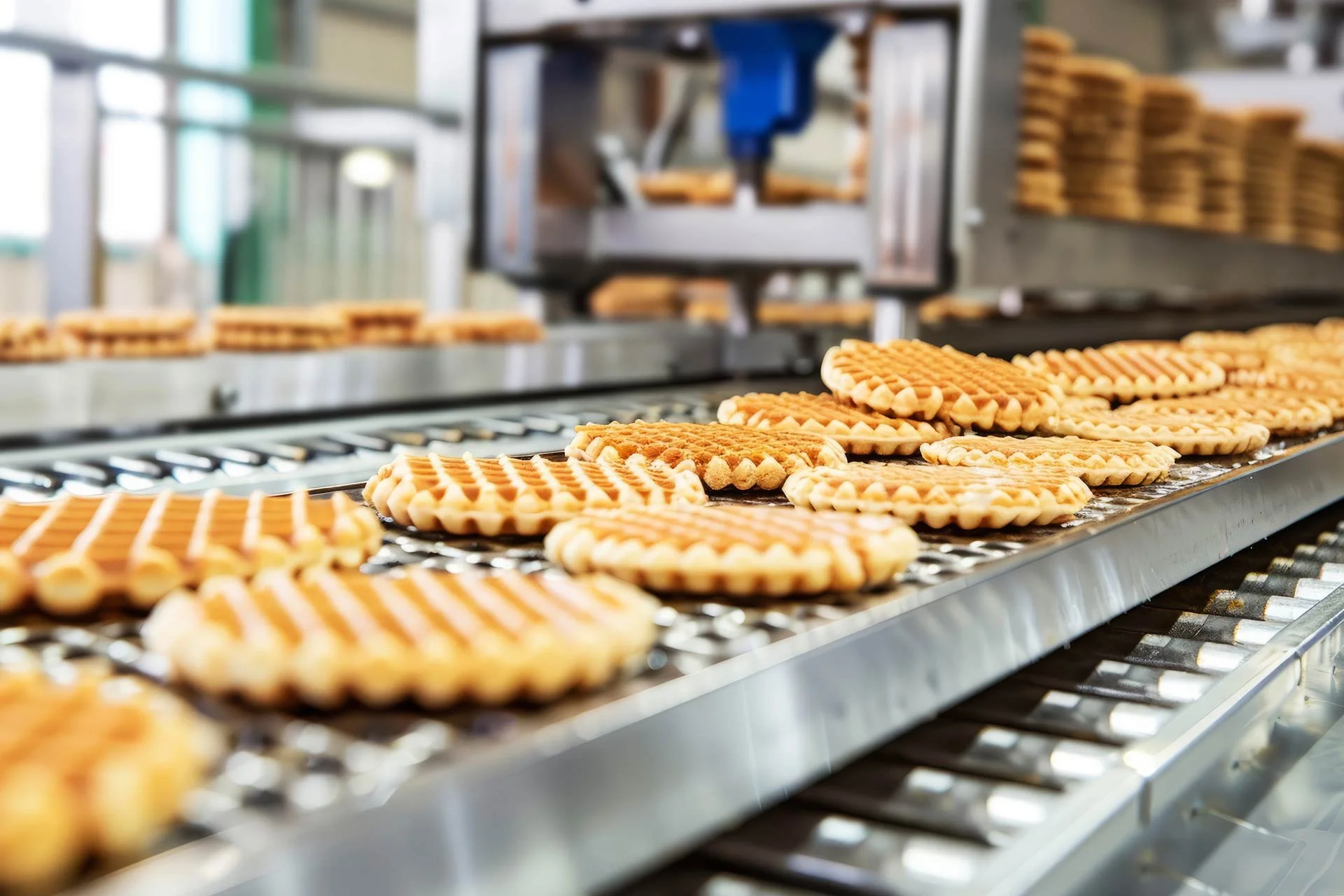
Ultra-processed foods are industrial formulations and/or ingredients not commonly found in your kitchen.
Examples include artificial flavors, colors, and sweeteners, as well as emulsifiers, esterified oils, and others listed below in NOVA Group 4.
What the Research Says About Ultra-Processed Foods
Recent research highlights the prevalence of UPF in the American diet. UPF contributes approximately 67% of total energy intake for U.S. youth aged 2 to 19 and about 57% for U.S.
This high reliance on UPF is concerning due to its association with increased risks of chronic diseases.¹⁻³

The Non-UPF program defines ultra-processed foods as Nova Group 4 foods. Therefore, any food that falls into Nova groups 1 through 3 is considered a non-UPF.
The Nova classification system helps identify ultra-processed foods.
It is widely used by researchers as a standardized framework to ensure consistency in studying and understanding the impact of UPF consumption.
It categorizes foods based on the extent and degree to which they have been industrially processed.
UPF research is evolving, and new food substances being deemed edible are entering the market, expanding Nova Group 4 foods.
What Are Ultra-Processed Foods?
A large part of the U.S. food supply is made up of ultra-processed foods. These foods often have ingredients you wouldn’t find in a home kitchen, like artificial flavors, colors, sweeteners, and other industrial additives.
Scientists use the Nova classification system to categorize foods by how much they’ve been processed:
Nova Group 4: Ultra-processed foods
Nova Groups 1–3: Unprocessed/minimally processed, processed culinary ingredients, and processed.
-
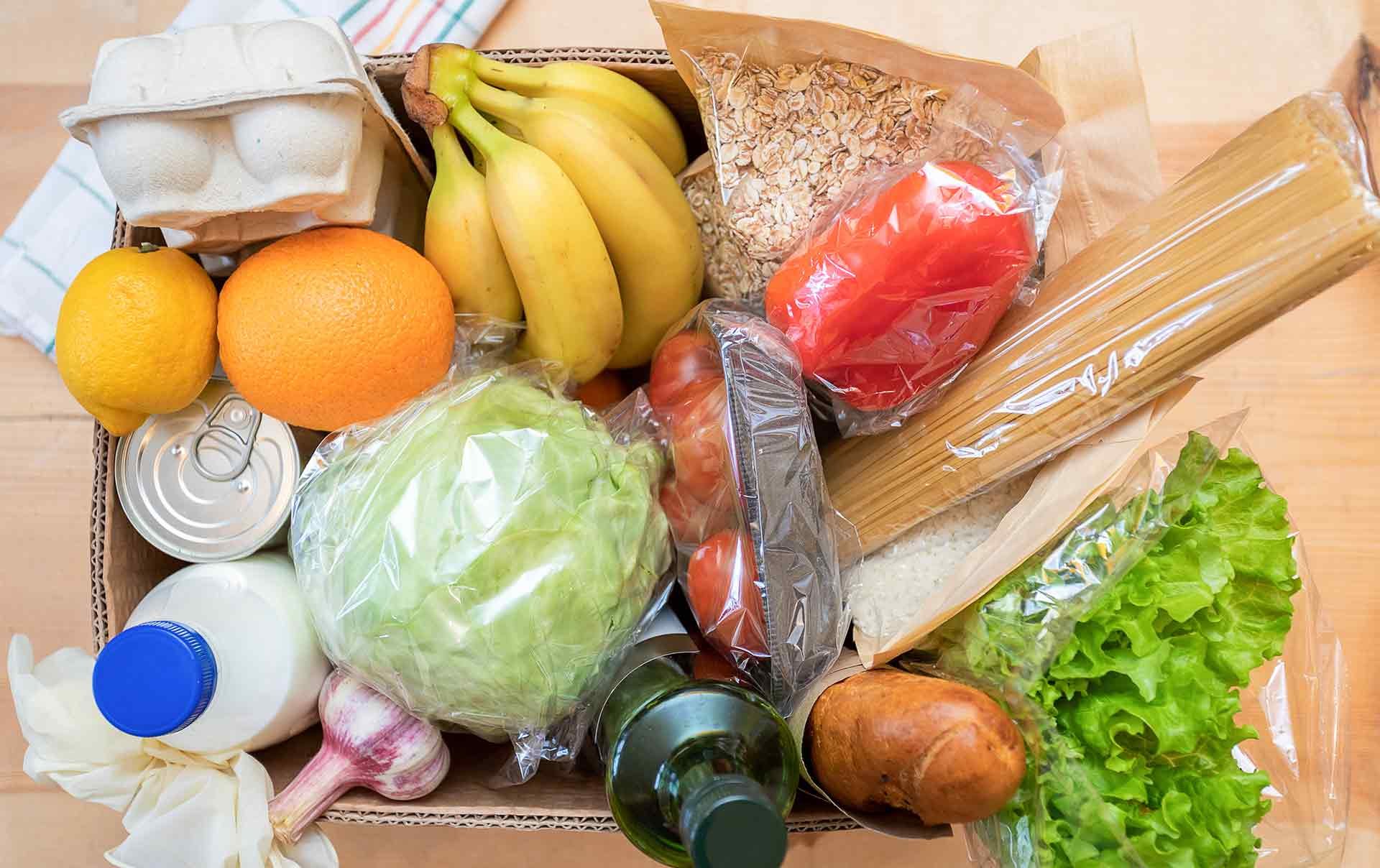
Unprocessed foods: edible parts of plants (fruits, seeds, leaves, stems, roots, tubers) or of animals (muscle, offals, eggs, milk), and also fungi, algae and water, after separation from nature.
Minimally processed foods: unprocessed foods altered by industrial processes such as removal of inedible or unwanted parts, drying, crushing, grinding, fractioning, roasting, toasting, boiling, pasteurization, refrigeration, freezing, placing in containers, vacuum packaging, non-alcoholic fermentation, and other methods that largely preserve the food matrix and do not add salt, sugar, oils or fats or other food substances to the original food. The main aim of these processes is to extend the life of unprocessed foods, enabling their storage for longer use and, often, to make their preparation easier or more diverse. Additives are usually not necessary and only exceptionally found in minimally processed foods.
-
Substances obtained directly from group 1 foods or from nature by industrial processes such as pressing, centrifuging, extracting, refining, dewatering, and mining. Processes here aid in the creation of products used in the seasoning and cooking of group 1 foods and their use in dishes and meals prepared from scratch. Additives are usually not necessary and only exceptionally found in processed culinary ingredients.
-
Relatively simple industrially manufactured food products made by adding at least one group 2 ingredient (such as salt, sugar, oil or fat) to group 1 foods (meat, fruit, vegetable), using preservation methods such as canning and bottling, and, in the case of breads and cheeses, using non-alcoholic fermentation and boiling or baking. Processes and ingredients here aim to increase the durability of group 1 foods and make them more enjoyable by modifying or enhancing their sensory qualities. Processed foods often contain additives that prolong product duration, protect original properties, or prevent the proliferation of microorganisms (such as preservatives and antioxidants), but not additives with cosmetic functions (see next group).
-
Industrially manufactured food products made up of several ingredients (formulations) including sugar, oils, fats, and salt (generally in combination and in higher amounts than in processed foods) and food substances of no or rare culinary use (such as high-fructose corn syrup, hydrogenated oils, modified starches, and protein isolates). Group 1 foods are absent or represent a small proportion of the ingredients in the formulation. (Processes enabling the manufacture of ultra-processed foods include industrial techniques such as extrusion, molding and pre-frying): application of additives including those whose function is to make the final product palatable or hyper-palatable such as flavors, colorants, non-sugar sweeteners and emulsifiers; and sophisticated packaging, usually with synthetic materials. Processes and ingredients here are designed to create highly profitable (low-cost ingredients, long shelf-life, emphatic branding), convenient (ready-to-(h)eat or to drink), tasteful alternatives to all other Nova food groups and to freshly prepared dishes and meals.
Ultra-processed foods are operationally distinguishable from processed foods by the presence of food substances of no culinary use (varieties of sugars such as fructose, high-fructose corn syrup, ‘fruit juice concentrates’, invert sugar, maltodextrin, dextrose and lactose; modified starches; modified oils such as hydrogenated or interesterified oils; and protein sources such as hydrolysed proteins, soya protein isolate, gluten, casein, whey protein and ‘mechanically separated meat’) or of additives with cosmetic functions (flavors, flavor enhancers, colors, emulsifiers, emulsifying salts, sweeteners, thickeners and anti-foaming, bulking, carbonating, foaming, gelling and glazing agents) in their list of ingredients.
Health Risks and Concerns Associated with UPF
While some UPF can be part of a balanced diet, their proportion in the standard American diet has become excessive. Many of the unrecognizable 'edible substances' used as food ingredients may be harmful. Emerging research underscores the significant role of UPF in increasing the risk of various chronic diseases and negatively impacting our environment. Here are some of the associated potential health risks and/or concerns of UPF:
-
Chronic disease. (4)
Mortality and Metabolic Health: Increased risk of obesity (5), type 2 diabetes (4), abdominal obesity (4), metabolic syndrome (6), cardiovascular disease (7), and hypertension. (8)
Gastrointestinal health: Crohn's disease. (9)
Links to microbiome disruption (gut, oral) (10), chronic inflammation (10, 11), autoimmune conditions, like Crohn’s or increases in demyelination (12,13,14), metabolic syndrome (15,16), and endocrine disruption. (17)
Mental health issues: ADHD (18), depression (19), anxiety (4), sleeping disorders (20), cognitive decline (4), dementia. (21)
Cancer. (22,4)
Oral health changes, such as dental caries. (23,24)
-
Links between poor diet quality and memory, cognition, and brain development. (25,26)
Artificial colors and preservatives on children may have effects on behavior. (27)
May disrupt natural taste preferences, which may promote dependence on UPF.
-
• Often high in added sugar, salt, and saturated fat and low in fiber or high in a combination of all of the above. (28,29,30)
-
Lower intake of fruits, vegetables, whole grains and legumes. (25,29)
Lower micronutrient density of several vitamins and minerals. (25,29)
Potential decrease in diverse phytonutrients. (29)
Changes in the original food structure may increase (e.g., glucose) or decrease nutrient absorption of some nutrients. (e.g., fiber) (31)
-
Some additives are deemed Generally Recognized As Safe (GRAS) through an existing federal legislation loophole that bypasses FDA safety reviews. (32)
Lack of long-term safety studies on cumulative additive effects. (32)
Potential endocrine disruption. (33)
Impacts on microbiome from emulsifiers and sweeteners. (45.46)
Chemical and industrial processing of additives are often hidden from the consumer.
-
Hyper-palatable foods can override fullness signals and contribute to cravings and addiction-like patterns of overeating.
(34,35)
Engineered cravings, artificial additives, and food packaging may negatively influence eating habits by displacing minimally processed foods. (36)
Loss of traditional cooking skills. (37, 38)
Over reliance on ultra-processed foods erodes home cooking and disconnects people from the vibrant tastes, textures, colors, and aromas of whole, natural foods. (29)
-
Disparities in health outcomes affect people from all economic and social levels. (25)
Market dominance of UPFs often targets youth, especially in low-income communities. (39)
Many low-income areas need better access to healthy foods. Instead of improving options for healthier food in underserved communities, the market often pushes cheap, widely available UPF, further limiting access to nutrient-rich alternatives. (40, 41)
-
Negative impact on agricultural biodiversity through reliance on industrial agriculture and global food systems, e.g., UPF depend on high-yield monocultures (e.g., corn, soy, palm) that rely on synthetic fertilizers and pesticides. These practices can release large amounts of nitrous oxide (N₂O), a potent greenhouse gas, and degrade soil health. (42,43)
Excessive packaging waste and higher carbon footprint, e.g., non-recyclable plastics and materials, contaminate the soil, water, and oceans. (44)
-
Wang L, Martínez Steele E, Du M, et al. Trends in Consumption of Ultraprocessed Foods Among US Youths Aged 2-19 Years, 1999-2018. JAMA. 2021;326(6):519-530. doi:10.1001/jama.2021.10238
Juul F, Parekh N, Martinez-Steele E, Monteiro CA, Chang VW. Ultra-processed food consumption among US adults from 2001 to 2018. Am J Clin Nutr. 2022;115(1):211-221. doi:10.1093/ajcn/nqab305
Juul F, Martinez-Steele E, Parekh N, Monteiro CA, Chang VW. Ultra-processed food consumption and excess weight among US adults. Br J Nutr. 2018;120(1):90-100. doi:10.1017/S0007114518001046
Lane MM, Gamage E, Du S, et al. Ultra-processed food exposure and adverse health outcomes: umbrella review of epidemiological meta-analyses. BMJ. 2024;384:e077310. Published 2024 Feb 28. doi:10.1136/bmj-2023-077310
Crimarco A, Landry MJ, Gardner CD. Ultra-processed Foods, Weight Gain, and Co-morbidity Risk. Curr Obes Rep. 2022;11(3):80-92. doi:10.1007/s13679-021-00460-y
Martínez Steele E, Juul F, Neri D, Rauber F, Monteiro CA. Dietary share of ultra-processed foods and metabolic syndrome in the US adult population. Prev Med. 2019;125:40-48. doi:10.1016/j.ypmed.2019.05.004
Bonaccio M, Di Castelnuovo A, Costanzo S, et al. Ultra-processed food consumption is associated with increased risk of all-cause and cardiovascular mortality in the Moli-sani Study. Am J Clin Nutr. 2021;113(2):446-455. doi:10.1093/ajcn/nqaa299
Wang M, Du X, Huang W, Xu Y. Ultra-processed Foods Consumption Increases the Risk of Hypertension in Adults: A Systematic Review and Meta-analysis. Am J Hypertens. 2022;35(10):892-901. doi:10.1093/ajh/hpac069
Lo CH, Khandpur N, Rossato SL, et al. Ultra-processed Foods and Risk of Crohn's Disease and Ulcerative Colitis: A Prospective Cohort Study. Clin Gastroenterol Hepatol. 2022;20(6):e1323-e1337. doi:10.1016/j.cgh.2021.08.031
Whelan K, Bancil AS, Lindsay JO, Chassaing B. Ultra-processed foods and food additives in gut health and disease. Nat Rev Gastroenterol Hepatol. 2024;21(6):406-427. doi:10.1038/s41575-024-00893-5
Tristan Asensi M, Napoletano A, Sofi F, Dinu M. Low-Grade Inflammation and Ultra-Processed Foods Consumption: A Review. Nutrients. 2023 Mar 22;15(6):1546. doi: 10.3390/nu15061546. PMID: 36986276; PMCID: PMC10058108.
Chen J, Wellens J, Kalla R, et al. Intake of Ultra-processed Foods Is Associated with an Increased Risk of Crohn's Disease: A Cross-sectional and Prospective Analysis of 187 154 Participants in the UK Biobank. J Crohns Colitis. 2023;17(4):535-552. doi:10.1093/ecco-jcc/jjac167
Mannino A, Daly A, Dunlop E, et al. Higher consumption of ultra-processed foods and increased likelihood of central nervous system demyelination in a case-control study of Australian adults. Eur J Clin Nutr. 2023;77(5):611-614. doi:10.1038/s41430-023-01271-1
Aguayo-Patrón SV, Calderón de la Barca AM. Old Fashioned vs. Ultra-Processed-Based Current Diets: Possible Implication in the Increased Susceptibility to Type 1 Diabetes and Celiac Disease in Childhood. Foods. 2017;6(11):100. Published 2017 Nov 15. doi:10.3390/foods6110100
Shu L, Zhang X, Zhou J, Zhu Q, Si C. Ultra-processed food consumption and increased risk of metabolic syndrome: a systematic review and meta-analysis of observational studies. Front Nutr. 2023;10:1211797. Published 2023 Jun 9. doi:10.3389/fnut.2023.1211797
Canhada SL, Vigo Á, Luft VC, et al. Ultra-Processed Food Consumption and Increased Risk of Metabolic Syndrome in Adults: The ELSA-Brasil. Diabetes Care. 2023;46(2):369-376. doi:10.2337/dc22-1505
Thoene M, Dzika E, Gonkowski S, Wojtkiewicz J. Bisphenol S in Food Causes Hormonal and Obesogenic Effects Comparable to or Worse than Bisphenol A: A Literature Review. Nutrients. 2020;12(2):532. Published 2020 Feb 19. doi:10.3390/nu12020532
Akin S, Gultekin F, Ekinci O, et al. Processed meat products and snacks consumption in ADHD: A case-control study. North Clin Istanb. 2022;9(3):266-274. Published 2022 Jul 8. doi:10.14744/nci.2021.64497
Ferreira NV, Gomes Gonçalves N, Khandpur N, et al. Higher Ultraprocessed Food Consumption Is Associated With Depression Persistence and Higher Risk of Depression Incidence in the Brazilian Longitudinal Study of Adult Health. J Acad Nutr Diet. Published online October 18, 2024. doi:10.1016/j.jand.2024.10.012
Duquenne P, Capperella J, Fezeu LK, et al. The Association Between Ultra-Processed Food Consumption and Chronic Insomnia in the NutriNet-Santé Study. J Acad Nutr Diet. 2024;124(9):1109-1117.e2. doi:10.1016/j.jand.2024.02.015
Li H, Li S, Yang H, et al. Association of Ultraprocessed Food Consumption With Risk of Dementia: A Prospective Cohort Study. Neurology. 2022;99(10):e1056-e1066. doi:10.1212/WNL.0000000000200871
Isaksen IM, Dankel SN. Ultra-processed food consumption and cancer risk: A systematic review and meta-analysis. Clin Nutr. 2023;42(6):919-928. doi:10.1016/j.clnu.2023.03.018
da Silva NRJ, de Camargo MBJ, Dos Vaz JS, et al. Ultra-processed food consumption and dental caries in adolescents from the 2004 Pelotas Birth Cohort study. Community Dent Oral Epidemiol. 2023;51(6):1180-1186. doi:10.1111/cdoe.12851
Cascaes AM, Silva NRJD, Fernandez MDS, Bomfim RA, Vaz JDS. Ultra-processed food consumption and dental caries in children and adolescents: a systematic review and meta-analysis. Br J Nutr. Published online July 27, 2022. doi:10.1017/S0007114522002409
Liu J, Steele EM, Li Y, et al. Consumption of Ultraprocessed Foods and Diet Quality Among U.S. Children and Adults. Am J Prev Med. 2022;62(2):252-264. doi:10.1016/j.amepre.2021.08.014
Liu S, Mo C, Lei L, et al. Association of ultraprocessed foods consumption and cognitive function among children aged 4-7 years: a cross-sectional data analysis. Front Nutr. 2023;10:1272126. Published 2023 Oct 10. doi:10.3389/fnut.2023.1272126
McCann D, Barrett A, Cooper A, et al. Food additives and hyperactive behaviour in 3-year-old and 8/9-year-old children in the community: a randomised, double-blinded, placebo-controlled trial [published correction appears in Lancet. 2007 Nov 3;370(9598):1542]. Lancet. 2007;370(9598):1560-1567. doi:10.1016/S0140-6736(07)61306-3
Monteiro CA, Cannon G, Levy RB, et al. Ultra-processed foods: what they are and how to identify them. Public Health Nutr. 2019;22(5):936-941. doi:10.1017/S1368980018003762
Martini D, Godos J, Bonaccio M, Vitaglione P, Grosso G. Ultra-Processed Foods and Nutritional Dietary Profile: A Meta-Analysis of Nationally Representative Samples. Nutrients. 2021;13(10):3390. Published 2021 Sep 27. doi:10.3390/nu13103390
Neri D, Martinez-Steele E, Monteiro CA, Levy RB. Consumption of ultra-processed foods and its association with added sugar content in the diets of US children, NHANES 2009-2014. Pediatr Obes. 2019;14(12):e12563. doi:10.1111/ijpo.12563
The Pharma Innovation Journal. 2019;8(4). Accessed [12/18/2023]. Available from: https://www.thepharmajournal.com/archives/2019/vol8issue4/PartH/8-3-39-830.pdf
Diet, Nutrition, and Cancer: Directions for Research, Food Additives, Contaminants, Carcinogens, and Mutagens Accessed [12/18/2023]. Available from: https://www.ncbi.nlm.nih.gov/books/NBK216714/
Thoene M, Dzika E, Gonkowski S, Wojtkiewicz J. Bisphenol S in Food Causes Hormonal and Obesogenic Effects Comparable to or Worse than Bisphenol A: A Literature Review. Nutrients. 2020;12(2):532. Published 2020 Feb 19. doi:10.3390/nu12020532
Gearhardt AN, Grilo CM, DiLeone RJ, Brownell KD, Potenza MN. Can food be addictive? Public health and policy implications. Addiction. 2011;106(7):1208-1212. doi:10.1111/j.1360-0443.2010.03301.x
Wiss D. Clinical Considerations of Ultra-processed Food Addiction Across Weight Classes: an Eating Disorder Treatment and Care Perspective. Curr Addict Rep. 2022;9(4):255-267. doi:10.1007/s40429-022-00411-0
Gearhardt AN, Bueno NB, DiFeliceantonio AG, Roberto CA, Jiménez-Murcia S, Fernandez-Aranda F. Social, clinical, and policy implications of ultra-processed food addiction [published correction appears in BMJ. 2023 Nov 14;383:p2679. doi: 10.1136/bmj.p2679]. BMJ. 2023;383:e075354. Published 2023 Oct 9. doi:10.1136/bmj-2023-075354
Wolfson JA, Martinez-Steele E, Tucker AC, Leung CW. Greater Frequency of Cooking Dinner at Home and More Time Spent Cooking Are Inversely Associated With Ultra-Processed Food Consumption Among US Adults. J Acad Nutr Diet. 2024;124(12):1590-1605.e1. doi:10.1016/j.jand.2024.03.005
Martins CA, Machado PP, Louzada MLDC, Levy RB, Monteiro CA. Parents' cooking skills confidence reduce children's consumption of ultra-processed foods. Appetite. 2020;144:104452. doi:10.1016/j.appet.2019.104452
Strasburger VC, Jordan AB, Donnerstein E. Health effects of media on children and adolescents. Pediatrics. 2010;125(4):756-767. doi:10.1542/peds.2009-2563
U.S. Department of Agriculture Economic Research Service. Food Access Research Atlas Documentation. Updated October 19, 2023. Accessed December 18, 2024. https://www.ers.usda.gov/data-products/food-access-research-atlas/documentation
Leung CW, Fulay AP, Parnarouskis L, Martinez-Steele E, Gearhardt AN, Wolfson JA. Food insecurity and ultra-processed food consumption: the modifying role of participation in the Supplemental Nutrition Assistance Program (SNAP). Am J Clin Nutr. 2022;116(1):197-205. doi:10.1093/ajcn/nqac049
Accessed December 18, 2024. https://www.soilassociation.org/media/23032/soilassociation_upf_2023_digital.pdf
Leite FHM, Khandpur N, Andrade GC, et al. Ultra-processed foods should be central to global food systems dialogue and action on biodiversity. BMJ Glob Health. 2022;7(3):e008269. doi:10.1136/bmjgh-2021-008269
Ericksen PJ, Canto N, Ingram JSI. Food systems resilience: Definitions, concepts, and analytical approaches. J Clean Prod. 2022;364:132694. doi:10.1016/j.jclepro.2022.132694
Naimi S, Viennois E, Gewirtz AT, Chassaing B. Direct impact of commonly used dietary emulsifiers on human gut microbiota. Microbiome. 2021;9(1):66. Published 2021 Mar 22. doi:10.1186/s40168-020-00996-6
Shil A, Chichger H. Artificial Sweeteners Negatively Regulate Pathogenic Characteristics of Two Model Gut Bacteria, E. coli and E. faecalis. Int J Mol Sci. 2021;22(10):5228. Published 2021 May 15. doi:10.3390/ijms22105228

To learn more about leading theories on how UPF harm health and the public policies aimed at reducing those harms, explore our advocacy partner, the Consumer Federation of America's report, Ultra-processed Foods: Why They Matter and What to Do About It.
As a healthcare provider, staying informed about ultra-processed foods is key to addressing the rising wave of consumer interest.
With growing interest in how UPF impact health, consumers are eager to learn practical tips for reducing ultra-processed foods and making healthier choices.
